
Private Label vs. White Label Supplements: The Difference
Anyone building their own supplement brand quickly runs into two models: private label and white label. Both let you sell products under your own brand without manufacturing yourself — but they differ in customization, cost and time-to-market. This guide explains which model fits when.
What is white label?
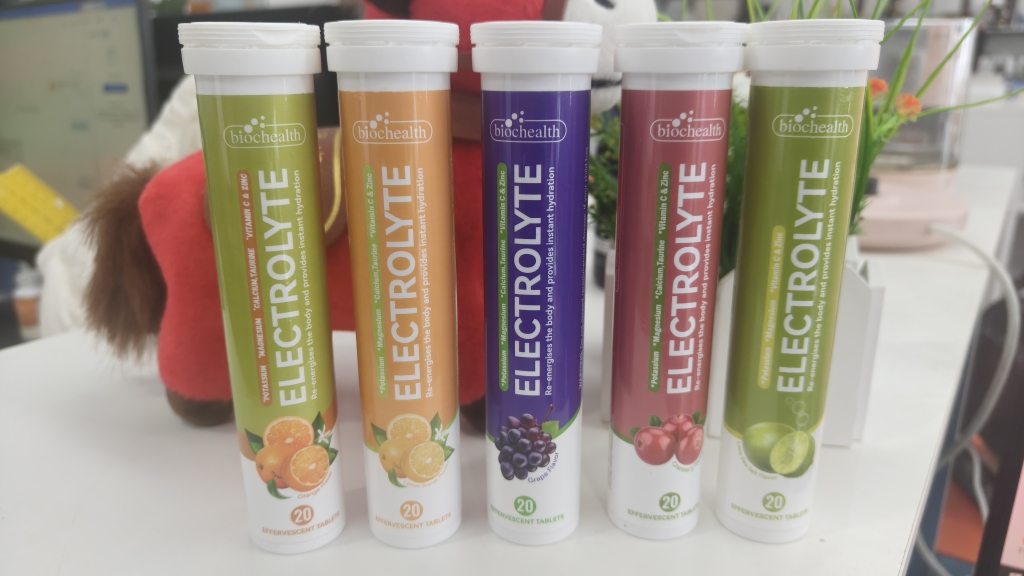
White-label products are ready-made stock formulations a contract manufacturer offers to multiple brands. You pick an existing product (e.g. omega-3 capsules or a vitamin D3 supplement), add your own label and sell it. Pros: very fast to market, low cost, low minimum order quantities. Cons: the formula is not exclusive — competitors can offer the same product.
What is private label?
With private label, the formula is developed or adapted specifically for your brand — you decide the actives, dosage, dosage form and design. The result is an exclusive product no one else sells. Pros: real differentiation, full control, a stronger brand. Cons: longer development time and higher minimums than white label.
Which model is right for you?
For a fast, low-cost market entry or to test a niche, white label is ideal. If you want to build a long-term, distinctive brand with your own formula, private label is the better choice. Many brands start with white label and move to private label later. At MB Labs we offer both from a single source — including formulation, EU production, design and fulfillment.
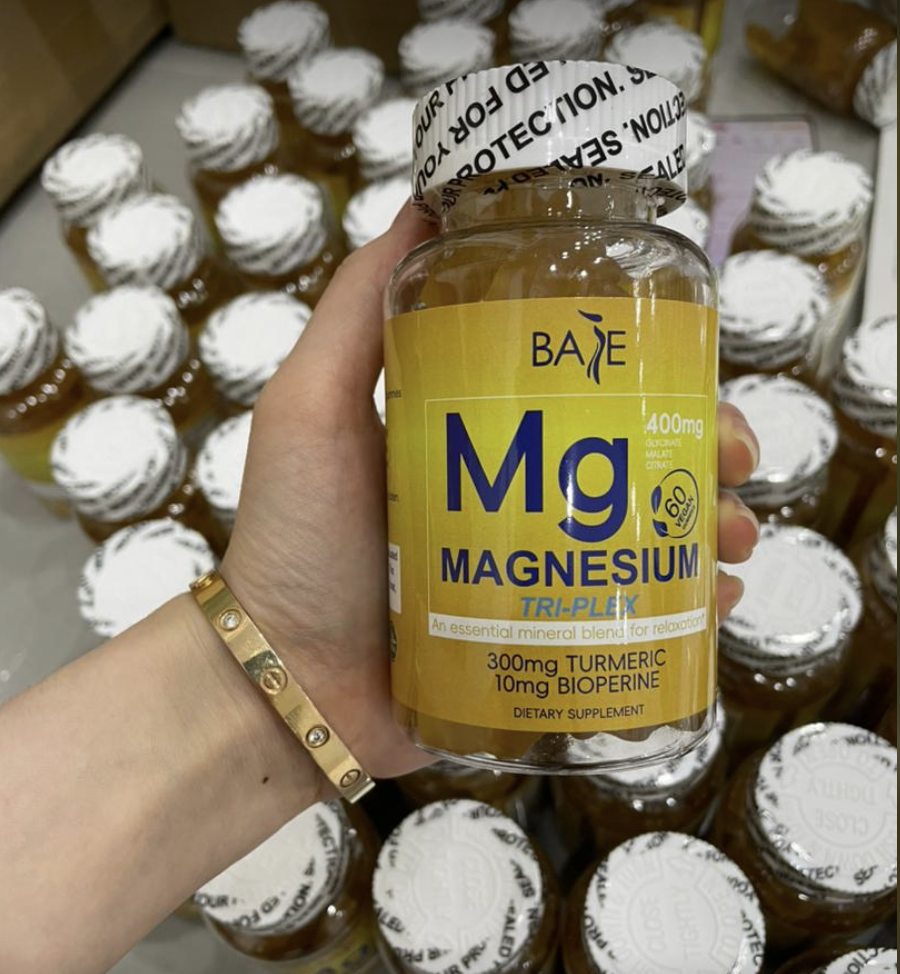
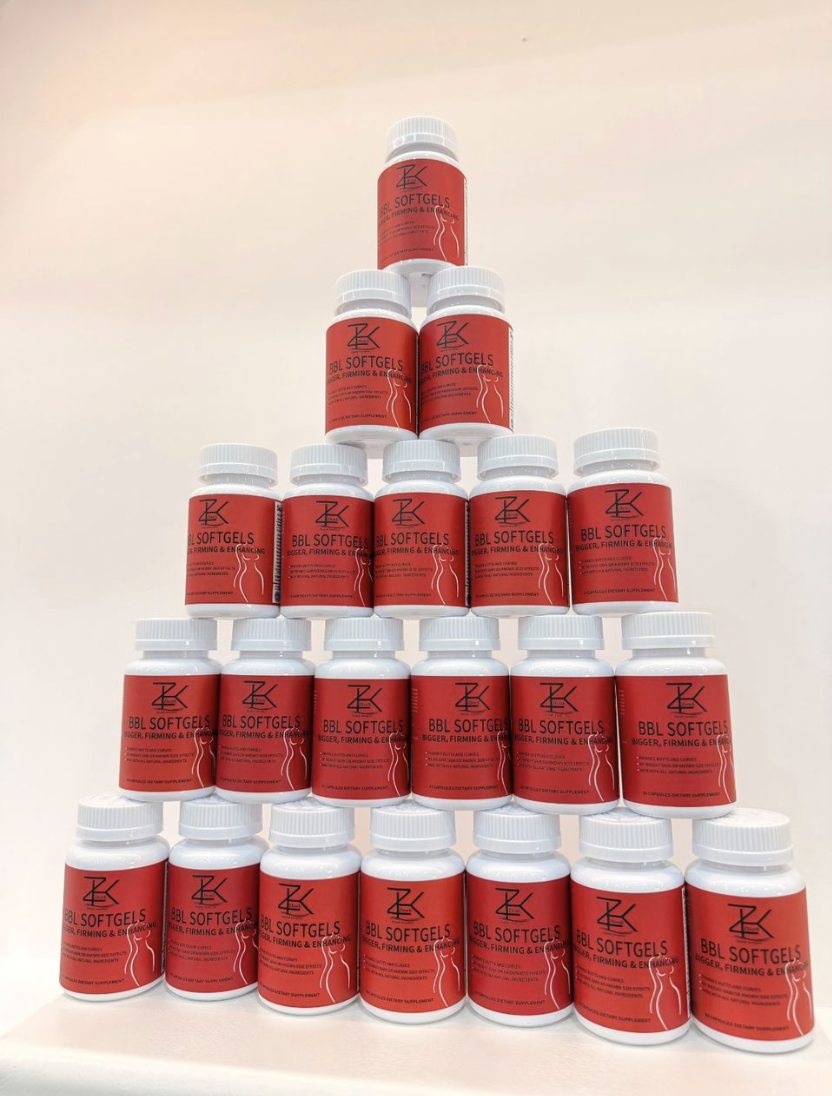
More examples from our production
Frequently asked questions
Ready to launch your own supplement brand?
We support you from formulation to finished product — private label and white label from a single source.
Send project inquiry →